

Grani Alimentari
DER Shop für italienische Bio Feinkost, Preisträger-Olivenöle, Urkorn-Pasta, herzzerreißenden Aceto Balsamico und veganes Superfood.
NACHHALTIG ✔ NATÜRLICH ✔ AUTHENTISCH✔
Echt italienische Bio-Feinkost für echte Kenner!
Für italienische Momente!
Authentische Bio-Feinkost, Dolce Vita und Wohnkultur.
Schnelle Lieferung
Bio-Qualität
Faire Preise
Nachhaltig
Neu bei Grani Alimentari
Unsere Bestseller
-

inkl. MwSt.
Produkt enthält: 0,5 l
18,50€ / l
-
 Nicht vorrätig
inkl. MwSt.
Produkt enthält: 0,5 l
18,67€ / l
-
inkl. MwSt.
Produkt enthält: 0,25 l
20,19€ / l
-

inkl. MwSt.
Produkt enthält: 0,5 l
18,67€ / l

Olivenöl
Oliven und Olivenöl
Aceto Balsamico
Balsam Essig aus Modena
Pasta
Echt italienische Pasta
Gewürze und Saucen
Passata, Kräuter, Pesto
Wein
Feine Weine
Superfood
Foodtrends
Suche nach Geschenboxen?
Hol dir ein Stück Italien nach Hause!
Im Trend
-

inkl. MwSt.
-

inkl. MwSt.
-

inkl. MwSt.
-

inkl. MwSt.
Schöner wohnen by Grani Alimentari
Traumhafte Wohnideen von Grani Alimentari
Ob Geschirr, Kerzenhalter oder Schneidebretter. Hier findest du schöne Ideen für eine feine Tafel!
Unsere Produzenten:



Nachhaltigkeit wird bei uns groß geschrieben.
Wir beziehen unsere Urkornpasta, Balsamicos, Olivenöle, Superfood, Weine und alle anderen Schätze aus nachhaltig bewirtschafteten Ressourcen. Ökologischer, oder gar biodynamischer Anbau sind eine Philosophie, nicht nur Arbeit.
How Betzoid Traces the Development of Football Betting Culture
Football and betting have shared an intertwined history for well over a century, evolving together through cultural shifts, technological revolutions, and regulatory transformations. What began as informal wagers exchanged between spectators on the terraces of Victorian-era grounds has grown into a global industry worth hundreds of billions of dollars annually. Understanding how this culture developed — and how platforms dedicated to analyzing it have emerged — offers a fascinating lens through which to examine both the sport and society’s relationship with risk, competition, and entertainment. The story is neither simple nor linear, but it is deeply revealing about how human beings engage with uncertainty and the beautiful game.
The Historical Roots of Football Betting Culture
The origins of football betting in Britain trace back to the late nineteenth century, when association football was rapidly professionalizing and drawing massive working-class crowds. Early forms of wagering were largely informal — bets struck between friends, neighbors, or colleagues based on personal loyalty to local clubs. There was no infrastructure to support large-scale gambling on football; instead, it existed as a social ritual embedded within the matchday experience itself.
The football pools, introduced in the early twentieth century, represented the first truly organized form of football gambling accessible to the general public. Companies such as Littlewoods, founded in 1923, allowed ordinary people to predict the outcomes of multiple matches for a small weekly stake, with the possibility of winning life-changing sums. The pools were enormously popular throughout the mid-twentieth century, particularly in Britain, where millions of households participated each week. At their peak in the 1950s and 1960s, the pools attracted upwards of ten million participants in the United Kingdom alone, making them one of the most widespread forms of gambling in the country’s history.
Fixed-odds betting shops, legalized in Britain through the Betting and Gaming Act of 1961, introduced a new dimension to football gambling. For the first time, punters could walk into a licensed premises and place a wager on the outcome of a specific match at predetermined odds. This shift democratized access to football betting in a significant way, removing the need for informal networks or illegal bookmakers. The culture that developed around betting shops — the cigarette smoke, the racing newspapers, the hushed anticipation — became a distinct subculture within British working-class life, one that would persist for decades.
Throughout the 1970s and 1980s, football betting remained relatively contained within national boundaries, shaped by local regulatory frameworks and limited by the technology of the era. Odds were set by bookmakers with considerable expertise, and the range of available markets was narrow by contemporary standards. Punters could typically wager on match results, scorelines, and goalscorers, but the complexity and variety that characterizes modern football betting was entirely absent. The culture was participatory but unsophisticated, driven more by passion for the sport than by analytical rigor.
The Digital Revolution and the Globalization of Football Wagering
The emergence of the internet in the mid-1990s fundamentally altered the landscape of football betting, initiating a period of transformation that continues to unfold today. Online sportsbooks began appearing in the late 1990s, offering punters the ability to place bets from home at any hour of the day. The convenience factor alone was revolutionary, but the deeper significance lay in what followed: an explosion in the range and complexity of available markets, the globalization of betting audiences, and the introduction of in-play wagering that allowed bets to be placed while matches were in progress.
The early 2000s saw the rise of betting exchanges, most notably Betfair, which launched in 2000 and introduced a peer-to-peer model that allowed users to both back and lay outcomes. This innovation challenged the traditional bookmaker model and introduced concepts such as trading and arbitrage to a broader audience. Football betting was no longer simply a matter of predicting outcomes; it had become a sophisticated activity that rewarded research, statistical analysis, and strategic thinking.
As the digital ecosystem matured, so did the analytical resources available to bettors. Websites dedicated to football statistics, historical data, and odds comparison proliferated throughout the 2000s and 2010s. It is within this context that platforms like Betzoid have played a meaningful role in shaping how enthusiasts engage with football betting culture. By aggregating information about bookmakers, reviewing their services, and providing comparative analysis of odds and markets across different platforms, such resources have helped bettors navigate an increasingly complex landscape with greater confidence and understanding.
The proliferation of smartphones and mobile applications during the 2010s added yet another layer to this evolution. Mobile betting transformed football wagering into an activity that could accompany fans into stadiums, pubs, and living rooms simultaneously. In-play betting, in particular, experienced exponential growth as mobile technology made it possible to react to events on the pitch in real time. The integration of betting into the broader football media ecosystem — through sponsorships, advertising, and partnerships with broadcasters — further normalized wagering as a component of the matchday experience for millions of fans worldwide.
Simultaneously, the globalization of elite football competitions, particularly the English Premier League and UEFA Champions League, created genuinely international betting markets. Punters in Asia, Africa, and the Americas were now engaging with the same fixtures as their European counterparts, driving enormous volumes of wagers on competitions that had previously attracted only regional interest. Asian handicap betting, which originated in Southeast Asia and offers a more nuanced way of wagering on matches involving teams of differing quality, gained widespread adoption across global markets during this period, illustrating how cultural exchange was reshaping the practice of football betting itself.
Analytical Culture, Responsible Gambling, and the Modern Bettor
Perhaps the most significant cultural shift in football betting over the past two decades has been the emergence of what might be described as the analytical bettor. Influenced by the broader data revolution in professional football — exemplified by the adoption of expected goals metrics, player tracking systems, and sophisticated performance analytics — a growing segment of the betting public has embraced a more rigorous, evidence-based approach to wagering. This shift mirrors developments in financial markets, where quantitative analysis has increasingly displaced intuition as the basis for decision-making.
The availability of granular statistical data has enabled bettors to develop models that assess the true probability of various outcomes and compare these assessments against the odds offered by bookmakers. When a discrepancy exists between a bettor’s calculated probability and the implied probability embedded in a bookmaker’s odds, a potential value bet is identified. This concept of value betting, borrowed from investment theory, has become central to the discourse surrounding serious football wagering, distinguishing it from the casual, emotion-driven approach that characterized earlier eras.
Betzoid, as a platform engaged with the football betting landscape, reflects this analytical turn by providing structured, comparative information that supports more informed decision-making. Rather than encouraging impulsive wagering, resources of this kind contribute to a culture of deliberation and research, helping bettors understand the differences between bookmakers in terms of odds quality, market depth, and reliability. This educational function is increasingly important in an era when the sheer volume of available information can be as overwhelming as it is empowering.
The question of responsible gambling has also assumed greater prominence within football betting culture over the past decade. Regulatory bodies in numerous jurisdictions have introduced stricter requirements around advertising, customer protection, and the identification of problem gambling behaviors. The United Kingdom Gambling Commission, for instance, has implemented a series of reforms requiring operators to conduct affordability checks and provide enhanced tools for self-exclusion and deposit limiting. These developments reflect a broader societal reckoning with the potential harms associated with normalized gambling, particularly among younger audiences who have grown up in an environment saturated with betting advertising.
The relationship between football clubs and betting companies has also come under increasing scrutiny. Shirt sponsorships by gambling firms became ubiquitous in the English Football League during the 2010s, with a significant proportion of Championship clubs displaying betting logos on their playing kits. Critics argued that this level of integration normalized gambling for young fans and created conflicts of interest for clubs whose commercial interests were aligned with those of the betting industry. In response, the Premier League announced in 2023 that its clubs would voluntarily remove gambling sponsors from the front of shirts from the 2026-27 season onward, marking a significant moment in the ongoing renegotiation of football’s relationship with wagering.
The Future Trajectory of Football Betting Culture
Looking ahead, several emerging trends are likely to shape the continued evolution of football betting culture. The integration of artificial intelligence and machine learning into both bookmaking operations and bettor strategies is already well underway, with algorithms capable of processing vast quantities of data to generate odds and identify patterns invisible to human analysts. This technological arms race between bookmakers and sophisticated bettors is likely to intensify, potentially reshaping the fundamental economics of football wagering.
Cryptocurrency and blockchain technology represent another frontier with significant implications for betting culture. Decentralized betting platforms, which operate without traditional intermediaries and offer enhanced transparency through smart contracts, have attracted considerable interest, though regulatory uncertainty continues to limit their mainstream adoption. The potential for blockchain-based systems to provide verifiable fairness and instantaneous settlements could appeal to a generation of bettors accustomed to the transparency norms of digital finance.
The expansion of legalized sports betting in the United States, following the Supreme Court’s 2018 ruling in Murphy v. National Collegiate Athletic Association that struck down the federal prohibition on state-authorized sports gambling, has introduced the world’s largest consumer market to football wagering in a significant way. While American football and basketball dominate the domestic betting landscape, the growing popularity of soccer — particularly among younger and more diverse demographics — suggests that international football competitions will attract increasing wagering interest from American audiences in the coming years.
The role of platforms that contextualize and analyze the betting industry will remain important as this landscape grows more complex. By tracing the historical development of football betting culture, documenting the emergence of new markets and technologies, and providing comparative analysis of the operators shaping the industry, resources dedicated to this subject serve an educational function that helps enthusiasts engage with the activity more thoughtfully and responsibly.
Conclusion
Football betting culture has traveled an extraordinary distance from the informal wagers of Victorian terraces to the algorithmically sophisticated global markets of the present day. Each phase of this evolution has reflected broader shifts in technology, regulation, and social attitudes toward risk and entertainment. What remains constant is the fundamental human impulse to engage more deeply with competition through the mechanism of a wager — to have a stake, however small, in the outcome of events that inspire passion and loyalty. Understanding this culture in its full historical complexity is essential for anyone seeking to engage with it meaningfully, whether as a participant, a regulator, or simply a curious observer of how sport and society intersect.
Herzlich willkommen in ihrer nachhaltigen Feinkost-Familie
Kennen Sie Urkornpasta?
Urkornpasta, wird aus “alten” nicht gentechnisch
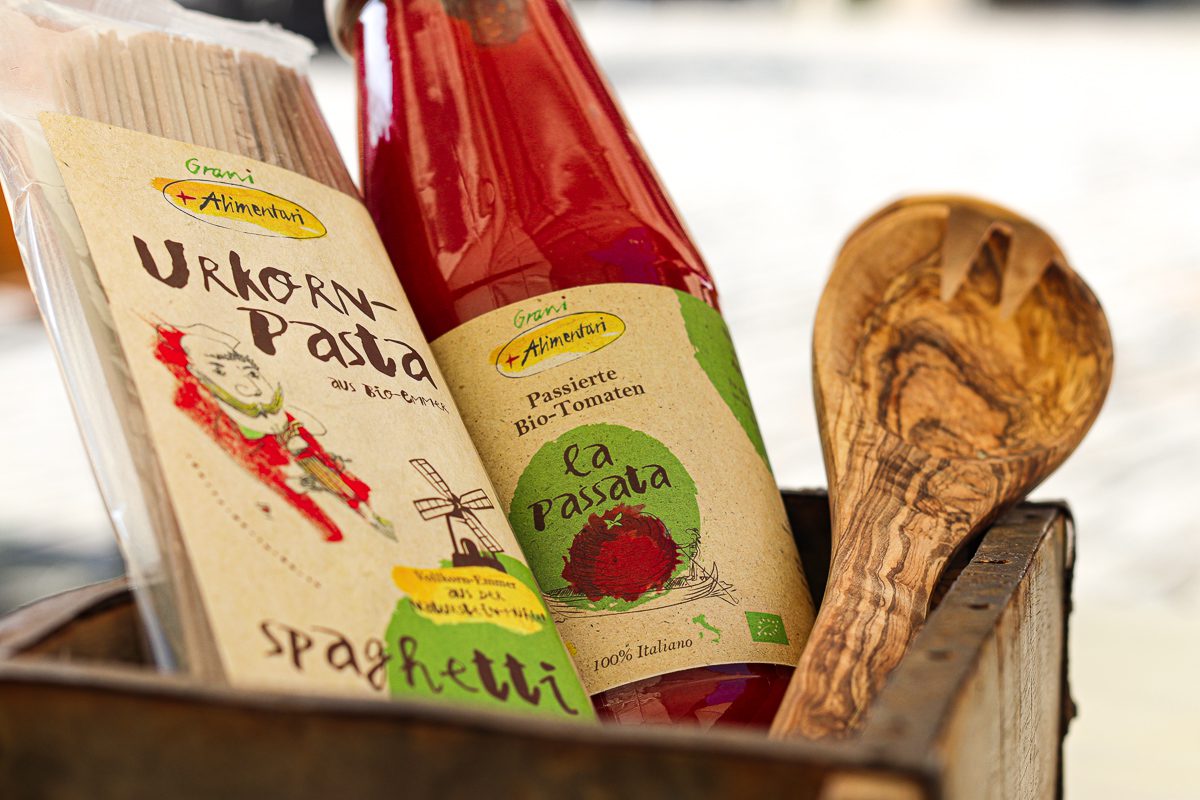
veränderten Getreidesorten hergestellt, wie z.B der Emmer, aus dem unsere Urkonnudeln gehandwerkt sind. Emmer“, oder auch „Zweikorn“ genannt, ist eines der ältesten domestizierten Getreidesorten, und tut dem Menschen schon seit über 10.000 Jahren gut. Emmernudeln zeichnen sich durch ihren unvergleichlichen. Geschmack aus, und sind dabei sehr gesund. Der hohe Anteil an guten Proteinen, Carotinen und Antioxidantien machen ihn zum wertvollen Lebensmittel, quasi ein Superfood! Mehr dazu hier
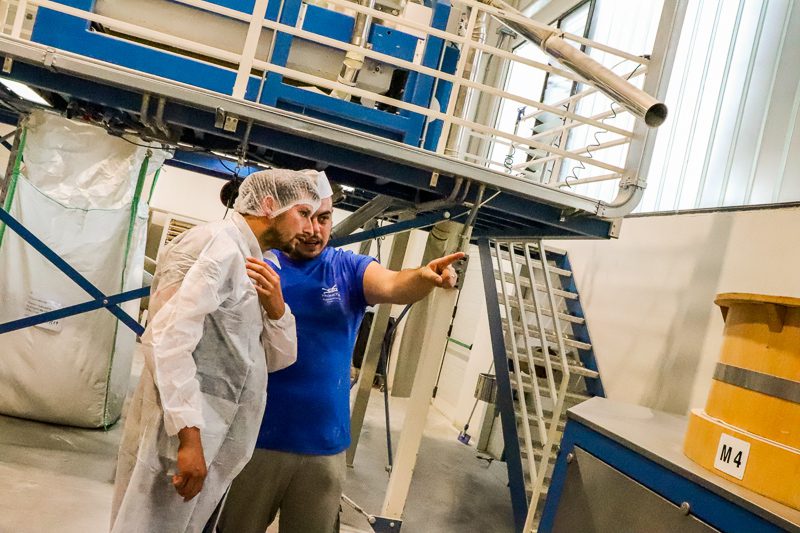
Unsere leckere Emmerpasta wird in einem kleinen Familienbetrieb in den schönen Hügeln um Urbino, der sagenumwobenen Geburtstadt Raffaello Santis, handwerkich hergestellt. In dieser magischen Umgebung wird das gesunde Urkorn “Emmer” angebaut, und in der NATURSTEIN-MÜHLE schonend vermahlen. Davon konnten wir uns auch schon persönlich überzeugen: Wir wissen wo es herkommt, wir wissen was drinnen ist!
Biodynamischer Bio-Aceto Balsamico? Was ist das?
Die Philosophie des biodynamischen Anbaus geht auf Rudolph Steiner zurück, der 1921 eine große Abhandlung über eine alternative-biologische Anbauweise schrieb, welche die ganzheitliche und vielfältige Betrachtung eines Hofes, seines Bodens und seiner Schätze in den Mittelpunkt stellt. Die Rücksichtsnahme auf den Mondlauf spielt hier eine große Rolle.
Dieser Philosophie hat sich die Familie GUERZONI verschrieben. Mit allergrößter Liebe verarbeiten sie schonend die Früchte ihrer Erde, und als Mitbegründer der Demeter-Bewegung in Italien obliegt dem eine besondere Verantwortung!
Mehr zu diesem Thema in unserem Blog-Artikel.
Entdeckt die Grani-Alimentari Olivenöle!
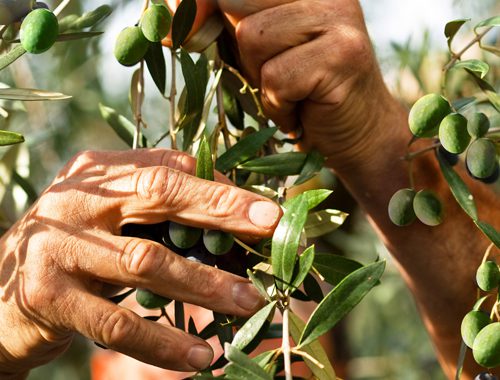
Unsere Bio-Olivenöle pressen wir ausschliesslich in Mühlen unseres Vertrauens, aus unserem persönlichen Umfeld. Das passende “Frantoio” für jedes Öl, für jede Anforderung. Während unser Bio Olivenöl extra vergine al limone in traditioneller Art und Weise in einer kleinen, Familienbetriebenen Mühle gemeinsam mit den berühmten Feminello Zagara Bianca Zitronen traditionell verpresst werden, wird unser Robusto Etrusco Bio Olivenöl extra vergine in einer hoch modernen Mühle unter Sauerstoffabschluss hergestellt. Nur so erreicht man die allerhöchsten Qualitätsstufen, so gewinnen wir damit Preise!
Mediterrane Keramik von Grün & Form
Entdeckt die handgefertigten Keramiken von Grün und Form aus Italien. Diese werden mit viel Liebe zum Detail und zum Design in Umbrien von einer kleinen Manufaktur hergestellt. Handgemachte Töpferei ist und bleibt Trend, und ein Beweis für Stil und Geschmack auf Ihrer Tafel. Mediterrane Schönheit, leichtigkeit, und Farbenfreude in ihren eigenen 4 Wänden.